2-Day Private Safari from Arusha
from$770Per Person
What Does the Ngorongoro Crater & Lake Manyara Safari Include?
This is a 2-day, 1-night private safari from Arusha that combines Lake Manyara National Park and Ngorongoro Crater. Day 1 includes an afternoon game drive in Lake Manyara, and Day 2 a morning game drive on the crater floor before returning to Arusha. Prices start from $770 per person. It suits travellers with two days who want to see Ngorongoro, the best-known short-safari destination in northern Tanzania.
Ngorongoro Crater is part of the Ngorongoro Conservation Area, a UNESCO World Heritage Site, and is one of the world's largest intact volcanic calderas. Its permanent water and grazing support a dense resident wildlife population, and it is one of the few places in northern Tanzania where you may see the endangered black rhino. All of the Big Five live in the crater, but sightings depend on animal movement and conditions, and no species can be guaranteed.
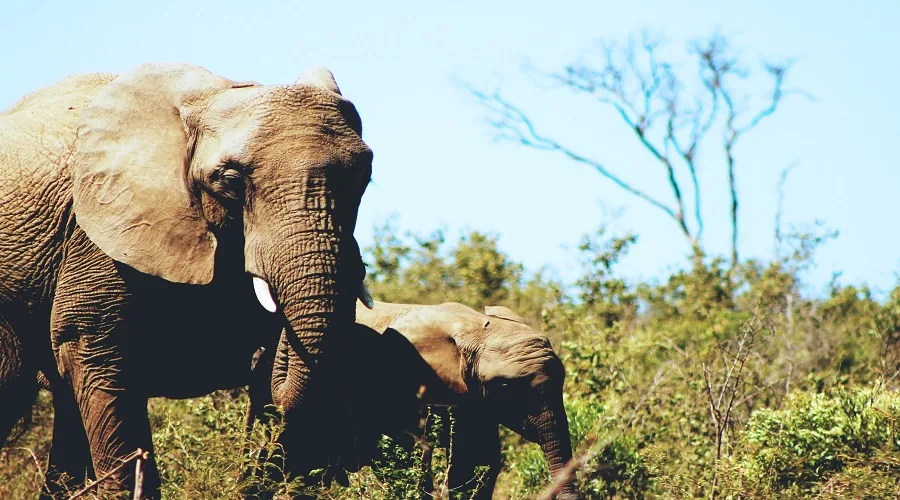
Lake Manyara National Park lies at the foot of the Great Rift Valley's western escarpment, around a large, shallow soda lake. Its groundwater forest, woodland and lakeshore support elephants, giraffes, baboons, hippos and abundant birdlife, and lions are occasionally seen resting in trees. The sections below cover each day, the wildlife you may see, the best season, prices and what to pack.
Trip at a Glance
| Duration | 2 days, 1 night |
|---|---|
| Start and finish | Your hotel in Arusha |
| Parks | Lake Manyara National Park and Ngorongoro Crater (Ngorongoro Conservation Area) |
| Activities | An afternoon game drive at Lake Manyara and a half-day game drive on the crater floor |
| Tour type | Private, with a 4x4 safari vehicle and an English-speaking driver-guide |
| Overnight | A lodge or camp at your chosen level, confirmed when quoting |
| Physical level | Easy, vehicle-based, with long drives and an early start on Day 2 |
| Price | From $770 per person (budget); mid-range and luxury options available |
Safari Highlights
- A morning game drive on the floor of Ngorongoro Crater
- A chance to see all of the Big Five, including rare black rhinos
- Views from the crater rim over the caldera
- Lake Manyara's groundwater forest, Rift Valley escarpment and birdlife
- The possibility of Lake Manyara's tree-climbing lions
- A private vehicle, so you set the pace at sightings
What Happens on Each Day of the Safari?

Day 1: Arusha to Lake Manyara National Park
Day 1 is a travel morning followed by an afternoon game drive. Your driver-guide meets you in Arusha for a short safari briefing, then drives you roughly two hours to the Lake Manyara area, arriving in time for lunch at the lodge.
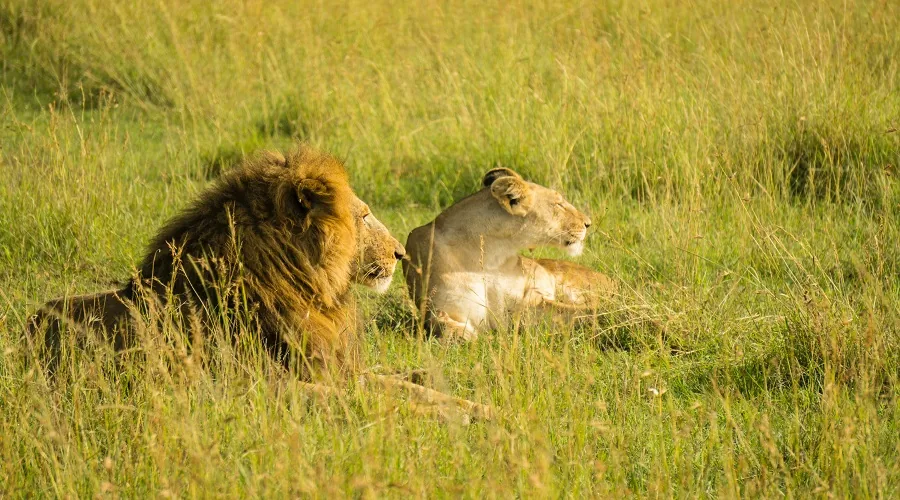
After lunch you enter Lake Manyara National Park. The game drive passes through groundwater forest, acacia woodland and the open lakeshore below the Rift Valley escarpment. You may see elephants, giraffes, baboons, blue monkeys, hippos and many water birds, including flamingos when water levels suit them. Lions sometimes rest in trees here, but this behaviour is occasional and cannot be promised.
After the drive you continue to your lodge or camp for dinner and the night. Go to bed early, because Day 2 starts early so you can reach the crater in the cooler morning hours.
- Meals: Lunch and dinner
- Overnight: A lodge or camp at your chosen level, confirmed in your quote
- Driving: Roughly 2 hours from Arusha to Lake Manyara

Day 2: Morning Game Drive in Ngorongoro Crater
Day 2 is an early, mainly vehicle-based day. After breakfast you drive up through the forest to the crater rim, stopping at a viewpoint, and then descend about 600 m to the crater floor for a half-day game drive. The rim is often cold and misty early in the morning, so keep a warm layer to hand.
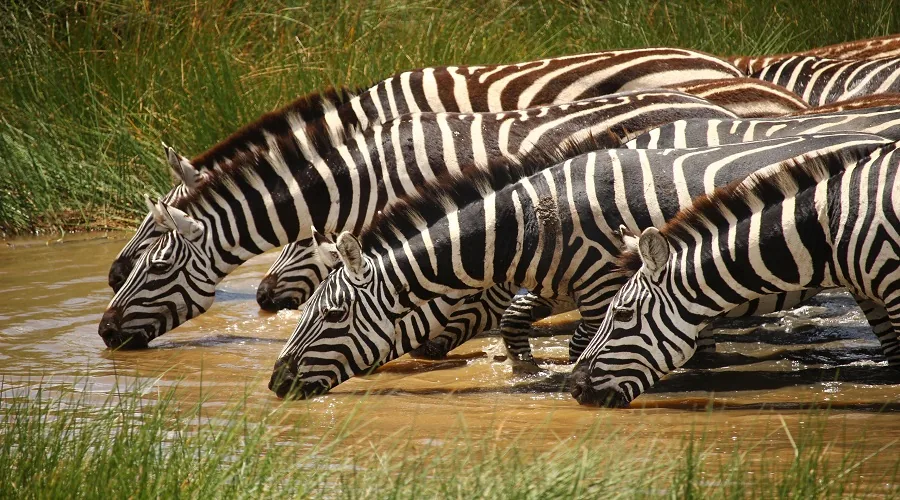
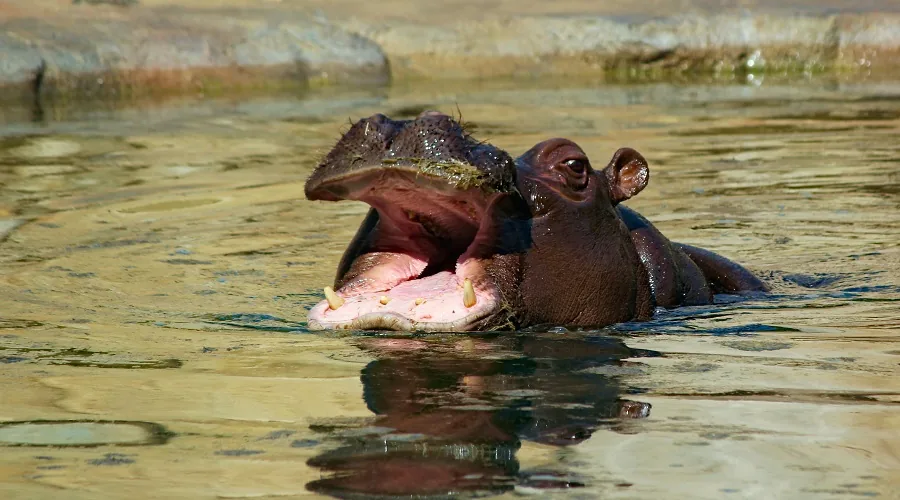
With year-round water and grazing, the crater supports herds of wildebeest, zebras, buffaloes and elands, along with warthogs, hippos, large elephant bulls and a small population of black rhinos. Lions, spotted hyenas and jackals are seen regularly, while leopards and cheetahs are less common. Bring binoculars, as some animals stay far from the road.
After a picnic lunch at a designated site in the crater, you climb out and drive back to Arusha. You are dropped at your hotel in the late afternoon or evening, which ends the safari. Arrival times vary with road conditions, so avoid booking an evening flight on this day.
- Meals: Breakfast and lunch
- Overnight: Not included; the safari ends at your hotel in Arusha
- Driving: Roughly 3–3.5 hours from the crater back to Arusha
Route: Arusha → Lake Manyara National Park → lodge or camp (overnight) → Ngorongoro Crater → Arusha. Drive times are approximate and depend on traffic, road conditions and stops.
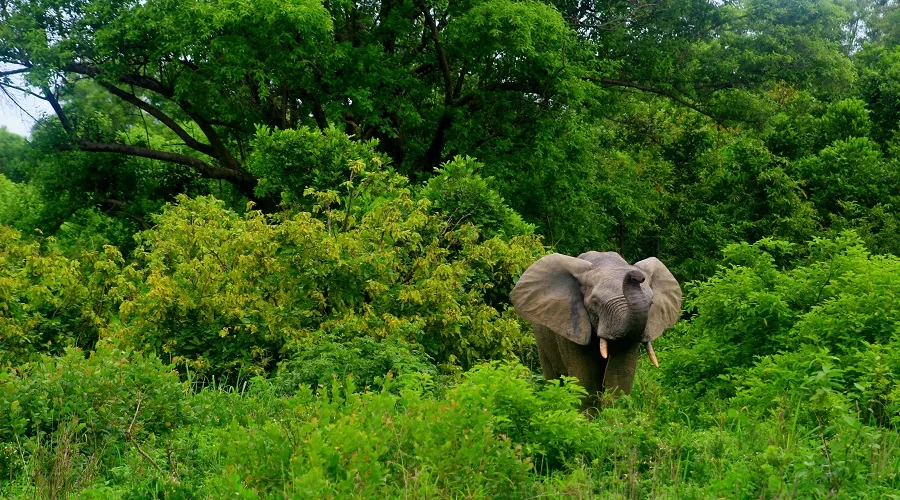
Photos from Lake Manyara and Ngorongoro Crater


What Wildlife Can You See at Lake Manyara and Ngorongoro?
Ngorongoro Crater gives you the best chance of the Big Five in two days, while Lake Manyara adds forest wildlife, birdlife and the chance of tree-climbing lions. The table is a general guide only; wildlife moves, and no sighting can be guaranteed.
| Animal | Lake Manyara | Ngorongoro Crater |
|---|---|---|
| Elephant | Often | Often, mostly large bulls |
| Lion | Sometimes; occasionally in trees | Often |
| Black rhino | Not present | Rarely; a small population |
| Leopard | Rarely | Rarely |
| Buffalo | Often | Often |
| Wildebeest and zebra | Sometimes | Often, resident herds |
| Hippo | Often | Often, at the hippo pool |
| Spotted hyena | Occasional | Often |
| Flamingo | Seasonal, depending on water levels | Seasonal, on the crater lake |
| Baboons and monkeys | Often | Sometimes |
When Is the Best Time for This Safari?
This safari runs year-round, because the crater holds wildlife in every month. June to October usually gives the easiest viewing. The table shows what to expect in each season.
| Season | Months | What to expect |
|---|---|---|
| Main dry season | June–October | The easiest viewing, with shorter grass. Very cold mornings on the rim; the busiest period in the crater. |
| Short rains | November–December | Brief showers, greener scenery and fewer vehicles. |
| Short dry spell | January–February | Usually good viewing, with green scenery; often a good time for flamingos. |
| Long rains | March–May | The wettest period, especially April and May. Quiet and lush, but the crater roads can be slippery. |
How Much Does This Safari Cost in 2026–2027?
- ✓ Public campsites or basic tented camps
- ✓ Shared ablution facilities
- ✓ Camp meals cooked in field
- ✓ Same parks, guide & vehicle
- ✓ Comfortable lodge rooms or en-suite tents
- ✓ Private bathrooms, hot showers
- ✓ Restaurant meals and bar service
- ✓ Wi-Fi at lodge (where available)
- ✓ Upmarket tented camps or lodges
- ✓ Private deck, premium service
- ✓ Full board dining, bush breakfasts
- ✓ Same private vehicle and guide
Prices are starting rates per person. All tiers include park fees, a private 4×4 vehicle, an English-speaking guide and meals during the safari; the final price depends on group size, travel dates and the accommodation chosen.
Contact us for a personalised quote based on your exact dates and group size.
What Affects the Price?
- Accommodation level: budget, mid-range or luxury, as shown in the price tiers.
- Group size: the vehicle, guide and crater vehicle fee are shared, so the per-person price falls as your group grows.
- Travel dates: some lodges charge higher rates in peak season.
- Crater fees: the Ngorongoro Conservation Area charges a conservation fee per person and a crater fee per vehicle, which is why crater safaris cost more than other short safaris.
- Fee changes: park and conservation fees can change, so we confirm your price in writing before you pay.
What Is Included in the Price?
Professional English-Speaking Guide
Your driver-guide leads the game drives and explains the wildlife, landscapes and park rules.
Park Entry Fees
All park entry and concession fees for Lake Manyara and the Ngorongoro Conservation Area are included.
Packed Lunch
A packed lunch on each park day, eaten at a designated picnic site inside the park.
Bottled Water
Bottled drinking water is provided in the vehicle throughout the safari.
Game Drives
An afternoon game drive in Lake Manyara National Park and a half-day game drive in Ngorongoro Crater.
Pick-Up and Drop-Off
Pick-up and drop-off at your hotel in Arusha or nearby accommodation.
Government Taxes and Levies
All applicable government taxes and levies.
What Is Not Included?
International Flights
Flights to and from Tanzania are not included.
Personal Expenses
Personal expenses such as souvenirs, laundry and extra snacks.
Tips and Gratuities
Tips for your guide, driver, and other service providers are not included.
Travel Insurance
Travel insurance is not included. We strongly recommend a policy that covers medical treatment and evacuation.
Alcoholic Beverages
Alcoholic drinks are at your own expense.
Visas and Entry Fees
Tanzania visa fees and other entry costs are not included.
Where Will You Stay?
The night between Lake Manyara and the crater is spent at a lodge or camp at your chosen level. We confirm the exact property and its location in your quote, based on availability and season.
Budget Camping
A campsite or basic tented camp with shared facilities. You visit the same parks with the same guide and vehicle as on the higher tiers; only where you sleep differs.
Mid-Range Lodges & Tented Camps
Comfortable lodge rooms or en-suite tented camps with private bathrooms, restaurant meals and Wi-Fi where available. A good balance of comfort and cost.
Luxury Lodges & Camps
Upmarket lodges and tented camps with private decks, premium furnishings and full-service dining, for travellers who want more space and comfort after a day in the parks.
Is This Safari Right for You?
This safari suits travellers who want to see Ngorongoro Crater in two days and are comfortable with an early start and long drives. If you want more elephants, a walking safari or the Serengeti, another route may suit you better.
A Good Fit If You…
- Have two days and want the best chance of the Big Five
- Want to see Ngorongoro Crater without a long safari
- Want variety: the crater plus Lake Manyara's forest and birdlife
- Do not mind an early start and several hours in the vehicle
Consider Another Safari If You…
- Want large elephant herds: choose the 2-day Tarangire & Ngorongoro safari
- Want a walking safari and shorter drives: see the 2-day Arusha & Tarangire safari
- Want the Serengeti: see the 2-day Serengeti & Ngorongoro safari
- Have more time: compare 3-day safaris
What Should You Pack?
Pack for a cold early morning on the crater rim and a warm afternoon on the crater floor. Layers work best.
- A warm fleece or jacket, plus a hat and gloves if you feel the cold
- Light layers for the warmer crater floor
- Sun hat, sunglasses and sunscreen
- Motion-sickness tablets for the winding crater roads, if you need them
- Camera with a zoom lens; binoculars are provided in the vehicle
- Passport, as details are recorded at the park gates
- Insect repellent and any personal medication
- Small notes for tips