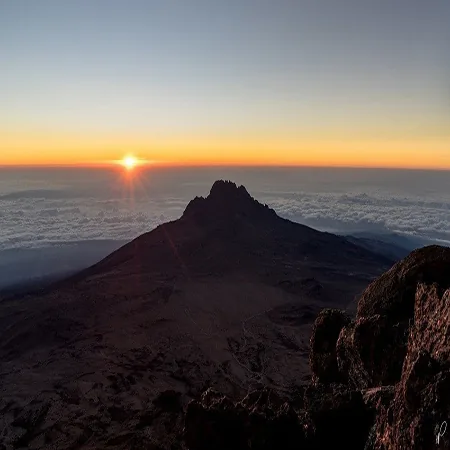
Africa's Highest Peak — 5,895 m
How Do You Climb Kilimanjaro?
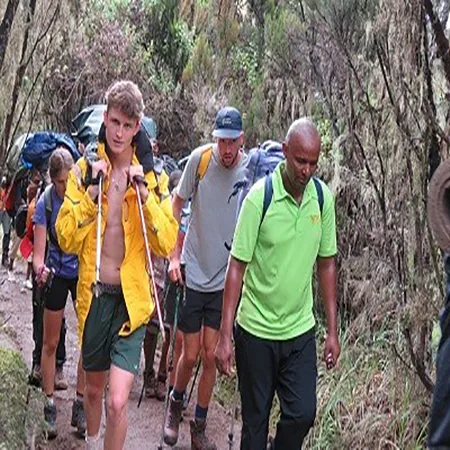
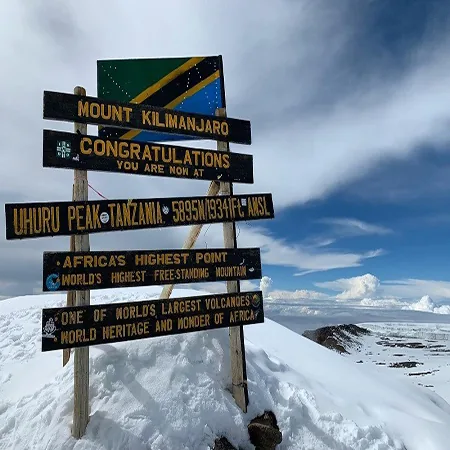
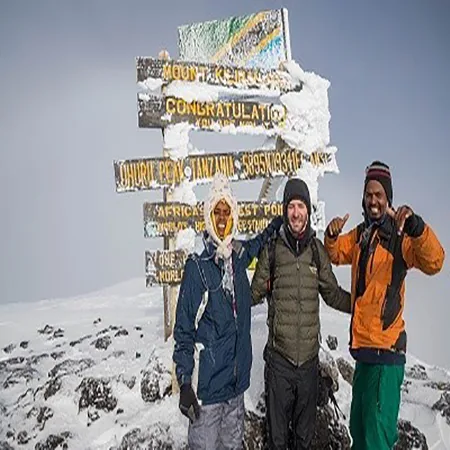
You climb Kilimanjaro on a guided trek of 5 to 8 days, following one of the park's official routes to Uhuru Peak (5,895 m), the highest point in Africa. No technical climbing is needed, but you must go with a licensed guide and a support crew of porters and a cook. Our climbs use the Marangu, Machame and Lemosho routes, start from Moshi or Arusha, and cost from $1,600 per person.
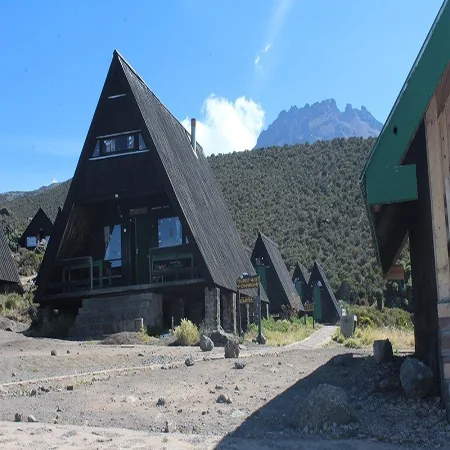
The biggest factor in reaching the summit is time. Altitude sickness depends on how quickly you gain height, not on fitness, so longer itineraries with good acclimatisation give you a better chance. That is why we recommend the 7-day Machame or the 7- or 8-day Lemosho for most first-time climbers, while the Marangu Route suits climbers who prefer huts to tents.
This page compares our six climbing packages, explains how to choose a route, what the price includes, when to go and how to prepare, and links to our detailed planning guides.
Summit
Uhuru Peak, 5,895 m
Duration
5–8 days on the mountain
Routes
Marangu, Machame and Lemosho
Start
Moshi or Arusha; nearest airport JRO
Support
Licensed guides, porters and a cook
Price
From $1,600 per person
Who Can Climb Kilimanjaro?
Anyone aged 10 or over who is reasonably fit and in good health. If you can hike 5–7 hours on consecutive days, you are a realistic candidate. No mountaineering experience is needed; pacing and acclimatisation matter more than strength.
What Is Kilimanjaro?
A dormant volcano in northern Tanzania and the highest mountain in Africa. You walk through five climate zones, from rainforest to the arctic summit, on non-technical trails without ropes or crampons on the standard routes.
When Should You Climb?
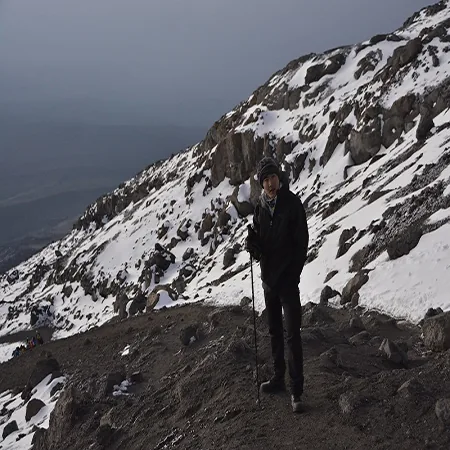
The driest windows are January to mid-March and June to October. You can climb year-round, but late March to May is the wettest period. Summit temperatures are well below freezing in every season.
Where Is It?
In Kilimanjaro National Park, about 50 km from Moshi. Kilimanjaro International Airport (JRO) is the most convenient airport, and we include a round-trip airport transfer.
Why Climb With Local Guides?
We are based at the foot of the mountain in Moshi. Our guides know the routes, watch for altitude symptoms every day and set a safe pace. We recommend longer routes because they improve your chances of reaching the top.
How Long Does It Take?
Five to eight days, depending on the route. We recommend seven or eight days for most climbers. The 5-day Marangu is our shortest option but has the least time to acclimatise.