Tanzania Safari Packages 2026–2027

Private Safaris in Northern Tanzania

How Do You Choose a Tanzania Safari?

Choose a Tanzania safari by deciding how many days you have and which parks matter most to you. Our private safaris run from 1 to 6 days in northern Tanzania, starting in Arusha, and combine the Serengeti, Ngorongoro Crater, Tarangire, Lake Manyara and Arusha National Park. Prices start from $265 per person for a day trip and from $590 for a 2-day safari, for two people sharing.

Every safari uses a private 4x4 vehicle with a pop-up roof and an English-speaking driver-guide for your group alone. Short safaris of one or two days suit the parks near Arusha, while the Serengeti is best with three days or more because of the distance. Wildlife sightings vary with season and animal movement, and no species can be guaranteed.

This page compares safaris by length and by park, and explains the best time to go, what is included, what affects the price and how to book.

Lengths

1 to 6 days

Start

Arusha; airport and Moshi pickups available

Format

Private 4x4 with a pop-up roof and driver-guide

Parks

Serengeti, Ngorongoro, Tarangire, Lake Manyara, Arusha NP

Accommodation

Budget camping, mid-range lodges or luxury camps

Price

From $265 per person (day trip, 2 sharing)
Browse by Trip Length

Tanzania Safari Packages by Number of Days

Pick the length that fits your plans, then compare the routes on each page. Every page lists the parks, the day-by-day itinerary and prices by group size.

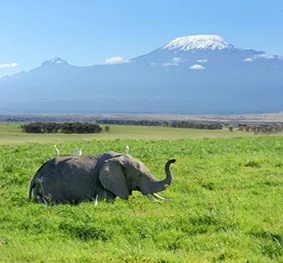
Elephant grazing on green plains below a snow-capped mountain
1-Day Safaris
View 1-Day Safaris
From $265
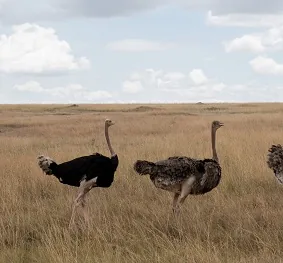
Ostriches walking through dry savannah grass
2-Day Safaris
View 2-Day Safaris
From $590
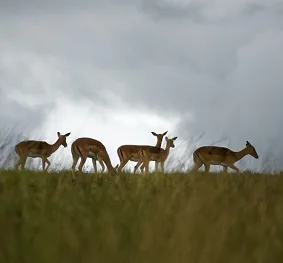
Impalas silhouetted on a grassy ridge under storm clouds
3-Day Safaris
View 3-Day Safaris
From $1,320
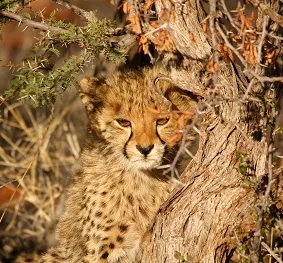
Cheetah cub peering through dry branches
4-Day Safaris
View 4-Day Safaris
From $1,860
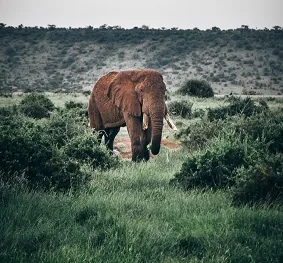
Elephant walking between green bushes
5-Day Safaris
View 5-Day Safaris
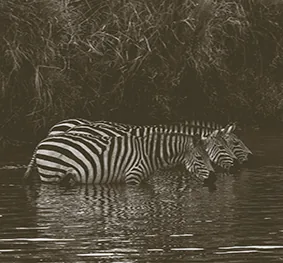
Zebras crossing a dark pool of water
6-Day Safaris
View 6-Day Safaris
Compare Lengths

How Many Days Should Your Safari Be?

For most first-time visitors, three to six days gives the best balance of parks, game-drive time and travel. One or two days suits the parks near Arusha, and the Serengeti needs three days or more.

Each length page compares its routes and shows prices for one to six people.
LengthTypical parksBest for
1 dayOne of Tarangire, Lake Manyara, Arusha NP or Ngorongoro CraterOne free day, a stopover or a rest day after Kilimanjaro
2 daysTwo parks near Arusha, such as Tarangire and NgorongoroA short first safari with an early-morning game drive
3 daysTwo or three parks, or the Serengeti with NgorongoroA fuller first safari
4 daysA short northern circuit, often including the SerengetiTravellers who want the Serengeti without rushing
5 daysThree or four parks, including the Serengeti and NgorongoroThe classic northern circuit
6 daysThe full northern circuit at a steady paceMore time at each park and less time driving
Browse by Park

Which Tanzania Safari Park Should You Visit?

Visit the Serengeti for big cats and the migration, Ngorongoro Crater for the Big Five, Tarangire for elephants, Lake Manyara for birdlife and forest, and Arusha National Park for walking safaris close to town.

Serengeti National Park

Vast plains, big cats and the Great Migration. Best with three days or more because of the distance from Arusha. Explore Serengeti National Park

Ngorongoro Crater

A huge volcanic caldera with dense wildlife and rare black rhinos. The best chance of the Big Five on a short safari. Explore Ngorongoro Crater

Tarangire National Park

Elephant herds and baobab trees, about two hours from Arusha. Best from June to October. Explore Tarangire National Park

Lake Manyara National Park

Groundwater forest, a soda lake, birdlife and occasional tree-climbing lions below the Rift Valley escarpment. Explore Lake Manyara National Park

Arusha National Park

The closest park to Arusha, with walking safaris, colobus monkeys, the Momella Lakes and views of Mount Meru. Explore Arusha National Park

Not Sure Where to Start?

Read our first safari guide or Serengeti vs Masai Mara comparison, or ask us to suggest a route for your dates.

When to Go

When Is the Best Time for a Tanzania Safari?

Tanzania safaris run year-round. June to October is usually the easiest time for game viewing, and January to February is the calving season in the southern Serengeti.

SeasonMonthsWhat to expect
Main dry seasonJune–OctoberThe easiest game viewing: short grass and animals near water. Cool mornings, dusty tracks and the busiest period.
Short rainsNovember–DecemberBrief showers, greener scenery and fewer vehicles. Wildlife begins to disperse.
Short dry spellJanuary–FebruaryUsually warm and fairly dry, with good viewing and calving in the southern Serengeti.
Long rainsMarch–MayThe wettest period, especially April and May. Lush and quiet, but some tracks become muddy.

For month-by-month detail and the migration's movements, see our guides to the best time for a Tanzania safari and the Great Migration.

Price and Inclusions

How Much Does a Tanzania Safari Cost, and What Is Included?

Our private safaris start from $265 per person for a day trip and from $590 for a 2-day safari, for two people sharing at mid-range level. Each extra day adds park fees, accommodation and vehicle time, while larger groups pay less per person.

Included

  • Private 4x4 safari vehicle with a pop-up roof
  • English-speaking driver-guide
  • Park entrance fees, including any Ngorongoro crater fee
  • Accommodation at your chosen level
  • Meals as listed in each itinerary
  • Drinking water in the vehicle
  • Pickup and drop-off as described in each itinerary

Not Included

  • International flights and Tanzania visa
  • Travel insurance
  • Tips for your guide and lodge staff
  • Alcoholic drinks
  • Optional activities, such as balloon flights
  • Personal expenses

What Affects the Price?

  • Group size: the vehicle, guide and any Ngorongoro crater fee are shared, so the per-person price falls noticeably as your group grows.
  • Accommodation level: budget camping, mid-range lodges or luxury lodges and camps.
  • Parks: Ngorongoro Crater adds a per-vehicle crater fee, and nights inside national parks add concession fees.
  • Fee changes: park and conservation fees are set by the authorities and can change, so we confirm your price in writing before you pay.

See our Tanzania safari cost breakdown for how park fees, accommodation and group size add up.

Accommodation

Where Will You Stay on Safari?

Choose budget camping, mid-range lodges or luxury lodges and camps. The parks, vehicle and guide are the same at every level; only where you sleep changes.

Budget Camping

Campsites or basic tented camps with simple facilities. You visit the same parks with the same guide and vehicle; only where you sleep differs.

Mid-Range Lodges & Tented Camps

Comfortable lodge rooms or en-suite tented camps with private bathrooms and restaurant meals. A good balance of comfort and cost.

Luxury Lodges & Camps

Upmarket lodges and tented camps with more space, premium furnishings and full-service dining.

Combine Your Trip

Can You Combine a Safari With Kilimanjaro or Zanzibar?

Yes. A safari fits well after a Kilimanjaro climb, and a few days in Zanzibar make a relaxing finish. We plan the order so transfers and flights connect.

Safari and Kilimanjaro

Climb first, rest for a day, then enjoy a safari at low altitude. See our Kilimanjaro climbing packages.

Safari and Zanzibar

Fly from Arusha or Kilimanjaro to Zanzibar after your safari for beaches, Stone Town and sea trips. See our Zanzibar tours.

Booking

How Do You Book a Tanzania Safari?

Choose a length and route, send us your dates and group size, and we reply with a confirmed price and itinerary in writing.

1. Choose a Safari

Pick a length and route above, or ask us to suggest one.

2. Send an Enquiry

Use the booking form on any package page or our contact page.

3. Confirm Your Quote

We send a written quote with the price and inclusions, and you confirm using the payment terms it sets out.

4. Start Your Safari

Your guide meets you at your hotel or the airport on the first morning.

Common Questions

Tanzania Safari FAQs

Our private safaris start from $265 per person for a day trip and from $590 per person for a 2-day safari, for two people sharing at mid-range level. Longer safaris cost more because each day adds park fees, accommodation and vehicle time. Prices fall for larger groups, because the vehicle and guide are shared, and change with the accommodation level you choose.

Three to six days suits most first-time visitors. One or two days works for parks near Arusha, such as Tarangire, Lake Manyara and Ngorongoro Crater. The Serengeti is far from Arusha, so allow at least three days if you want to include it without spending most of your time driving.

Our safaris include park entrance fees, a private 4x4 safari vehicle with a pop-up roof, an English-speaking driver-guide, accommodation at your chosen level, meals as listed in the itinerary and drinking water. International flights, visas, travel insurance, tips and alcoholic drinks are not included.

Safaris run year-round. June to October, the main dry season, usually offers the easiest game viewing, and January to February is the calving season in the southern Serengeti. The green season, roughly November to May, brings lush scenery and fewer vehicles, although April and May are the wettest months.

Each park offers something different. The Serengeti is best for big cats and the migration, Ngorongoro Crater for the Big Five in a short trip, Tarangire for elephants, Lake Manyara for birdlife and forest, and Arusha National Park for walking safaris close to town. Most of our multi-day safaris combine two or three of them.

Yes. Every safari uses a private 4x4 vehicle and driver-guide for your group only, so you can set the pace, stay longer at sightings and adjust the day with your guide. Up to six people share a vehicle.

Yes. Lions, elephants, buffaloes, leopards and black rhinos all live in northern Tanzania. Ngorongoro Crater gives the best chance of seeing all five in a short safari, because it is one of the few places where black rhinos are seen. No sighting can be guaranteed.

Our safaris start and end in Arusha, and some packages include pickup from Kilimanjaro International Airport (JRO), which is about 50 km away. We can also collect you from Moshi or plan the safari around a Kilimanjaro climb.

Yes, and many travellers do. A safari fits well after a Kilimanjaro climb, with a rest day in between, and domestic flights connect Arusha and Kilimanjaro with Zanzibar for a beach stay afterwards. We plan the order so transfers and flights connect.

Pack neutral-coloured clothing, a warm layer for early mornings, a sun hat, sunglasses, sunscreen, insect repellent, binoculars and a camera with a zoom lens. Avoid dark blue and black, which attract tsetse flies in some parks.