2-Day Tanzania Safari Packages 2026–2027

One Overnight, Two Game-Drive Sessions

What Is a 2-Day Tanzania Safari?

A 2-day Tanzania safari is a private trip from Arusha with one night near the parks, usually covering one or two parks in the northern circuit. The most practical routes combine Tarangire, Lake Manyara, Ngorongoro Crater or Arusha National Park, which are all within a few hours of Arusha. Our 2-day safaris start from $591 per person.

Compared with a day trip, the overnight gives you an afternoon game drive on Day 1 and an early-morning drive on Day 2, when many animals, including predators, are most active. It also splits the driving across two days. Routes that include Ngorongoro Crater give the best chance of seeing the Big Five, although no sighting can be guaranteed.

This page compares our six 2-day safaris, explains how to choose between them, shows how a typical trip runs and covers prices, inclusions and preparation.

Duration

2 days, 1 night

Start and Finish

Arusha, with hotel pickup

Vehicle

Private 4x4 with a pop-up roof and an English-speaking driver-guide

Parks

Tarangire, Lake Manyara, Ngorongoro, Arusha NP or the Serengeti

Overnight

Budget, mid-range or luxury lodge or camp

Price

From $591 per person

Who Is a 2-Day Safari Best For?

Travellers with two days before a Zanzibar flight or after a Kilimanjaro climb, visitors in Arusha with a free weekend, and families who want a short safari with one night away rather than a full week.

What Wildlife Can You See in Two Days?

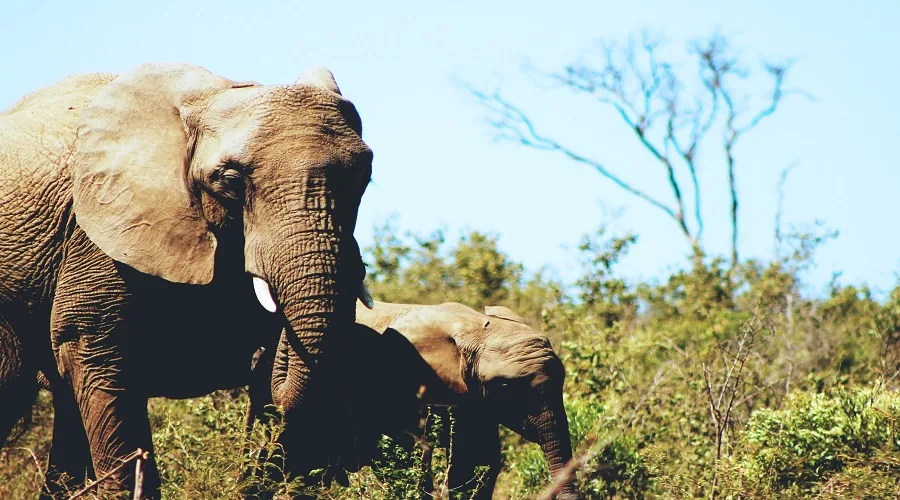
It depends on the parks: elephant herds and baobabs in Tarangire, birdlife and occasional tree-climbing lions in Lake Manyara, and dense wildlife, including rare black rhinos, in Ngorongoro Crater. All of the Big Five live in the northern parks, but no sighting can be guaranteed.

When Is the Best Time for a 2-Day Safari?

A 2-day safari works year-round. June–October usually gives the easiest viewing as animals gather near water, and January–February is also generally good. In the green season the parks are lush and quieter, but tracks can be muddy and wildlife more spread out.

Which Parks Can You Visit in Two Days?

Tarangire (about 120 km from Arusha), Lake Manyara (about 130 km) and Ngorongoro (about 185 km) are within a few hours' drive. The Serengeti (about 335 km) is much farther and takes most of a day to reach by road.

Is a 2-Day Safari Better Than a 1-Day Trip?

For most travellers, yes. The overnight gives you an early-morning game drive and spreads the driving over two days. A 1-day trip still suits people with only one free day.

How Does a 2-Day Safari Work?

Pickup in Arusha → drive to the first park → game drive → overnight at a lodge or camp → early-morning game drive → return to Arusha in the afternoon or evening. The exact route varies by tour.

Our 2-Day Safaris

Choose Your 2-Day Safari

Every tour is private, starts in Arusha and includes park fees, a guide, a 4x4 vehicle, one night's accommodation and meals. Prices are per person; open a tour for its full itinerary.

Two lionesses resting in the branches of an acacia tree
2-Day Tarangire National Park and Ngorongoro Crater Safari
View Tour
$650

Per Person

Lioness leading her cubs past an open safari vehicle
2-Day Ngorongoro Crater and Lake Manyara Safari
View Tour
$770

Per Person

Leopard walking along an acacia branch in early morning light
2-Day Tarangire and Lake Manyara Safari
View Tour
$591

Per Person

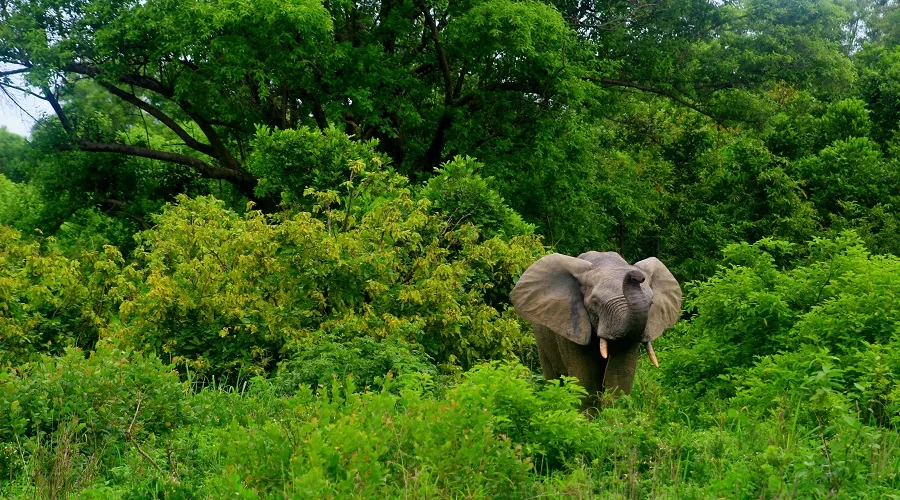
Elephant near a safari vehicle in dry golden grass
2-Day Arusha National Park and Tarangire Safari
View Tour
$620

Per Person

Zebras on open plains with snow-capped Kilimanjaro in the distance
2-Day Serengeti and Ngorongoro Safari
View Tour
$1570

Per Person

Serengeti National Park entrance gate over a gravel road
2-Day Serengeti National Park Safari
View Tour
$1067

Per Person

Compare Routes

How Do the 2-Day Safari Routes Compare?

Tarangire and Ngorongoro ($650) is the most balanced choice for a first safari. Tarangire and Lake Manyara ($591) is the most affordable, and the Serengeti routes ($1,067–$1,570) suit travellers who prioritise the Serengeti over time on the road.

Prices are per-person starting rates taken from each tour page. They vary with accommodation level and group size.
SafariDay 1Day 2Best forFrom
Tarangire & Lake ManyaraTarangireLake ManyaraThe lowest price; elephants and birdlife$591
Arusha NP & TarangireArusha NP walking safari and Momella LakesTarangireA walking safari and the shortest drives$620
Tarangire & NgorongoroTarangireNgorongoro CraterA first safari; elephants plus a chance of the Big Five$650
Lake Manyara & NgorongoroLake ManyaraNgorongoro CraterBirdlife, tree-climbing lions and the crater$770
SerengetiSerengetiSerengetiTravellers set on seeing the Serengeti$1,067
Serengeti & NgorongoroSerengetiNgorongoro CraterTwo famous parks in a very full two days$1,570
Find Your Match

Which 2-Day Safari Is Right for You?

Choose by what you most want to see. Ngorongoro Crater routes give the best chance of the Big Five, Tarangire routes are best for elephants, and the Arusha National Park route is the most relaxed.

The Best Chance of the Big Five

Choose a route with Ngorongoro Crater, such as Tarangire & Ngorongoro or Lake Manyara & Ngorongoro.

Elephants and Baobabs

Choose a Tarangire route, especially from June to October, when herds gather along the Tarangire River.

The Lowest Price

Tarangire & Lake Manyara avoids the extra Ngorongoro crater fees and starts from $591.

A Walk and Shorter Drives

Arusha NP & Tarangire includes a guided walking safari and the least driving, which is ideal after a Kilimanjaro climb.

Birdlife

Lake Manyara has rich birdlife, including pelicans, storks and, at times, flamingos.

The Serengeti

The Serengeti routes reach Tanzania's most famous park, but two days is short for the distance. Consider 3 days or more.

How It Runs

What Does a Typical 2-Day Safari Look Like?

Most 2-day safaris follow the same pattern: a morning drive from Arusha, game viewing on the afternoon of Day 1, one night at a lodge or camp, an early start on Day 2 and a return to Arusha by the evening.

This is a general pattern. Each tour page has its own day-by-day itinerary.
WhenWhat happens
Day 1, morningPickup from your hotel in Arusha and a drive of about two hours to the first park.
Day 1, midday to afternoonGame drive with lunch, either a picnic in the park or a meal at the lodge, depending on the route.
Day 1, eveningCheck-in, dinner and the night at your lodge or camp.
Day 2, early morningBreakfast and an early start, the best time for active wildlife.
Day 2, morning to afternoonGame drive in the second park, or a second session in the same park, with a picnic lunch.
Day 2, late afternoon or eveningDrive back to Arusha and drop-off at your hotel.

Avoid booking an international flight on the evening of Day 2, because return times depend on the route and road conditions.

Price and Inclusions

How Much Does a 2-Day Safari Cost, and What Is Included?

Our 2-day safaris cost from $591 to $1,570 per person, depending on the parks, your accommodation level and group size. Every price includes park fees, a private vehicle and guide, one night's accommodation and meals.

Included

  • Hotel pickup and drop-off in Arusha
  • Private 4x4 safari vehicle with a pop-up roof
  • English-speaking driver-guide
  • Park and conservation area entrance fees
  • One night's accommodation at your chosen level
  • Meals as listed in the itinerary, and bottled water

Not Included

  • International flights and Tanzania visa
  • Travel insurance
  • Tips for your guide
  • Alcoholic drinks
  • Optional activities
  • Personal expenses

What Affects the Price?

  • Parks: Ngorongoro adds a per-vehicle crater fee, and the Serengeti involves more travel and higher park fees.
  • Accommodation: budget camping, mid-range lodges or luxury camps.
  • Group size: the private vehicle and guide cost is shared, so the per-person price falls as your group grows.
  • Season: some lodges charge higher rates in peak months.
Accommodation

Where Will You Stay on a 2-Day Safari?

You spend one night at a property that matches your chosen level. The parks, vehicle and guide are the same at every level; only where you sleep changes.

Budget

Public campsites or basic tented camps with simple, often shared facilities. The most affordable way to do a 2-day safari.

Mid-Range

Comfortable lodges or tented camps with en-suite bathrooms and restaurant meals; many also have a pool.

Luxury

Upmarket lodges and tented camps with private decks, more space and full-service dining.

Compare Lengths

Should You Choose 1, 2 or 3 Days?

Choose two days if you have exactly two free days and want parks near Arusha. Add a third day if you want two full park days, or to include the Serengeti without rushing.

1 day2 days3 days
ParksOneOne or twoTwo or three
Early-morning game driveRarelyYes, on Day 2Yes, on Days 2 and 3
OvernightNoneOne nightTwo nights
SerengetiNoPossible, but rushedPossible, more comfortably
Best forOne free dayA short first safariA fuller first safari

1-Day Safaris 3-Day Safaris

Before You Go

How Should You Prepare for a 2-Day Safari?

Pack layers for cold mornings and warm afternoons, bring sun protection and your passport, and plan to arrive in Arusha the day before.

What to Bring

  • A warm fleece or jacket, which is essential for the Ngorongoro rim
  • Neutral-coloured clothing; avoid dark blue and black in Tarangire because of tsetse flies
  • Sun hat, sunglasses and sunscreen
  • Insect repellent
  • Camera with a zoom lens and binoculars
  • Passport, needed at the park gates
  • Motion-sickness tablets if you need them
  • Small notes for tips

Planning Tips

  • Arrive in Arusha the day before the safari starts
  • Do not book an evening flight on Day 2
  • Allow a rest day after a Kilimanjaro climb
  • Book early for July–September and the Christmas holidays
  • Tell us about dietary needs when you book
  • Stay inside the vehicle except at designated sites, and never feed animals
OTHER LENGTHS

Compare 1-Day and 3- to 6-Day Tanzania Safaris

Common Questions

2-Day Safari FAQs

Yes, if you choose parks close to Arusha. Two days gives you an afternoon and an early-morning game drive, with one night in between, which is enough to see a good range of wildlife in Tarangire, Lake Manyara or Ngorongoro Crater. Two days is too short for a relaxed Serengeti road trip.

For most first-time visitors, Tarangire and Ngorongoro Crater gives the best balance: elephant herds on Day 1 and the crater's density of wildlife, including a chance of the Big Five, on Day 2. Choose Lake Manyara and Ngorongoro for birdlife, or Arusha and Tarangire for a walking safari and shorter drives.

Our 2-day safaris start from $591 per person for Tarangire and Lake Manyara, $620 to $770 for routes including Arusha National Park or Ngorongoro Crater, and $1,067 to $1,570 for Serengeti options. Prices depend on the route, your accommodation level and group size, and we confirm the final price in writing before you pay.

Our 2-day safaris include park entrance fees, a private 4x4 safari vehicle with a pop-up roof, an English-speaking driver-guide, one night's accommodation at your chosen level, meals as listed in the itinerary and bottled water. International flights, visas, travel insurance, tips and alcoholic drinks are not included.

A route that includes Ngorongoro Crater gives the best chance, because all of the Big Five live in the crater, including a small population of black rhinos. Even so, leopards and rhinos are not always seen, and no operator can guarantee sightings.

It is possible, but the Serengeti is far from Arusha, so a 2-day Serengeti trip involves a lot of travel time. Ask us how the 2-day Serengeti itineraries are routed before you book. If the Serengeti is your priority, three or more days give a far better experience.

You spend one night at a lodge, tented camp or campsite near the parks, or in Arusha on the Arusha and Tarangire route, depending on the itinerary and the accommodation level you choose. We confirm the exact property in your quote.

All of our 2-day safaris start and end in Arusha, with hotel pickup and drop-off. Some itineraries can also start from Kilimanjaro International Airport or Moshi on request, with a longer first drive.

Yes. A 2-day safari fits well before a flight to Zanzibar or after a Kilimanjaro climb. We plan the order so flights and transfers connect, and we recommend at least one rest day after the climb.

Safaris run year-round, but June to October (the main dry season) usually offers the easiest game viewing because animals gather near water and vegetation is thinner. January and February are also generally good. The green season, roughly November to May, brings lush scenery, fewer vehicles and lower rates at some lodges, although April and May are usually the wettest months.