Single-Park Day Safaris
What Is a 1-Day Tanzania Safari?
A 1-day Tanzania safari is a full-day game drive in one national park, starting and ending at your hotel in Arusha or Moshi. The most practical parks are Arusha National Park, Lake Manyara and Tarangire, and Ngorongoro Crater is possible as a longer day. It suits travellers with one free day around a Kilimanjaro climb, a Zanzibar stay or an international flight.
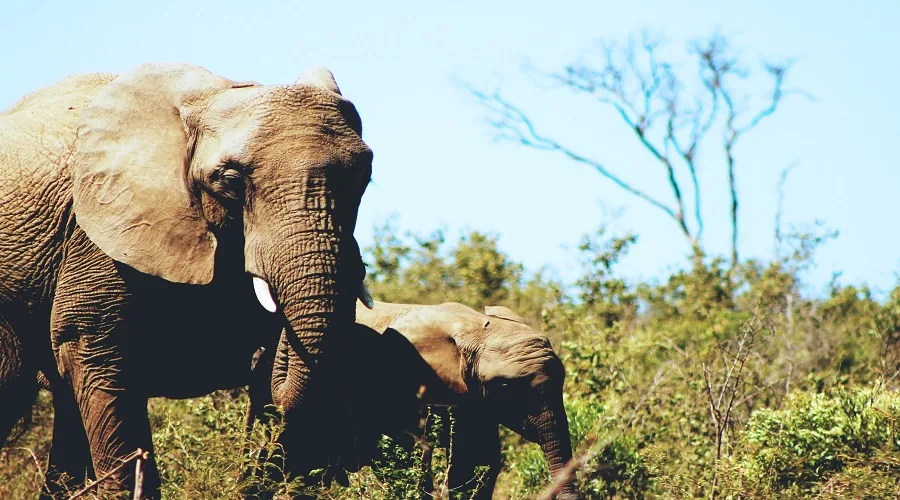
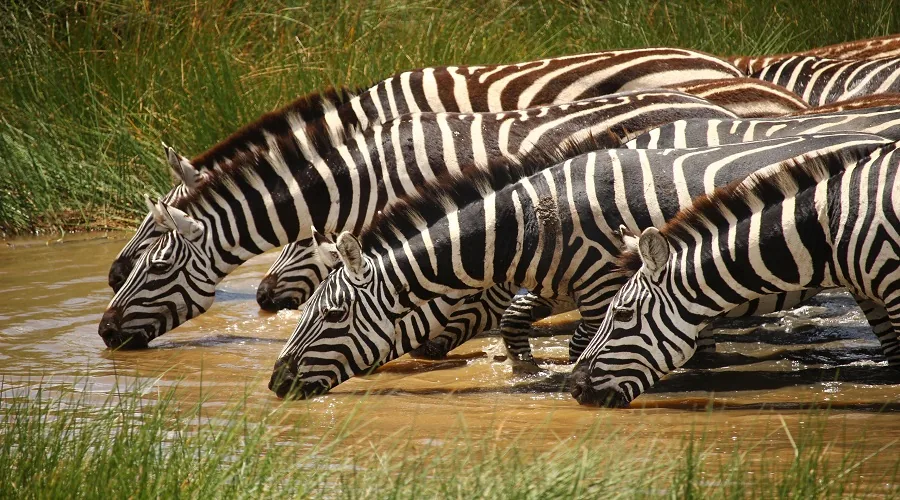
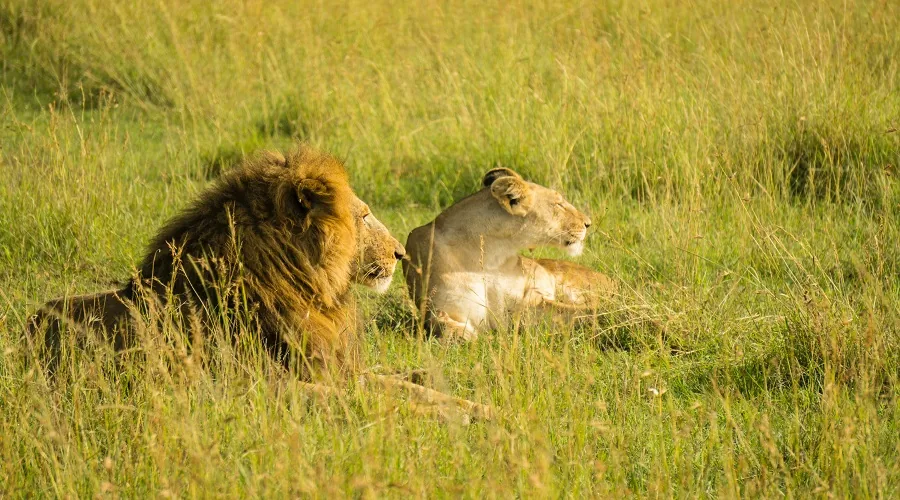
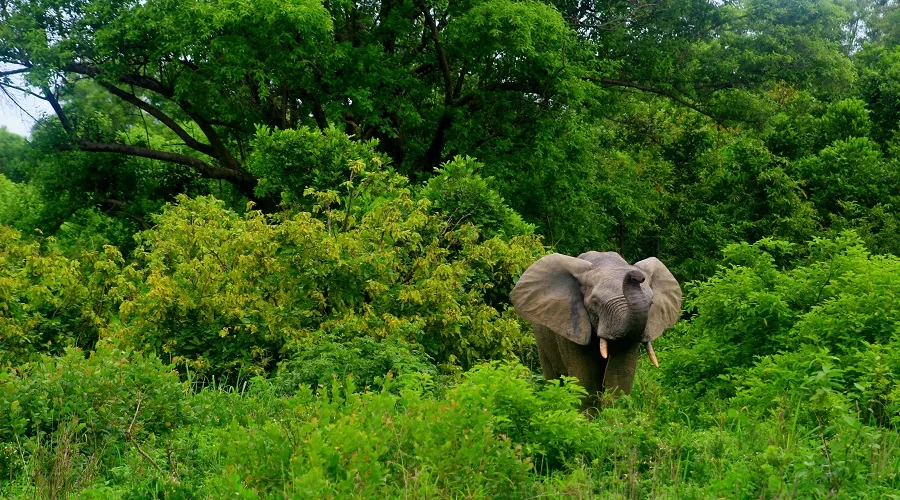
The day starts early because part of it is spent driving to the park. Once inside, you explore in a private 4x4 with a pop-up roof, stopping only at designated picnic and viewpoint sites. Commonly seen animals include elephants, giraffes, zebras, wildebeest, buffaloes and many birds. Lions and other predators are possible, but sightings depend on season, time of day and animal movement, so no species can be guaranteed.
This page compares the four parks we run as day trips, shows a typical schedule, explains what is included and what affects the price, and covers how to prepare. If you have two days, an overnight safari adds an early-morning game drive, when many animals are most active.
Duration
One full day: early-morning pickup and return in the evening.
Start and Finish
Your hotel in Arusha or Moshi.
Vehicle
Private 4x4 safari vehicle with a pop-up roof and an English-speaking driver-guide.
Parks
Arusha NP, Lake Manyara, Tarangire or Ngorongoro Crater.
Meals
Picnic lunch and bottled water.
Price
From $198, depending on the park and group size.
Who Is a 1-Day Safari Best For?
Travellers with one free day in Arusha or Moshi: Kilimanjaro climbers before or after their trek, Zanzibar visitors making a short mainland trip, and anyone on a stopover. It also suits first-time visitors who want to try a game drive before committing to a multi-day safari.
What Wildlife Can You See in One Day?
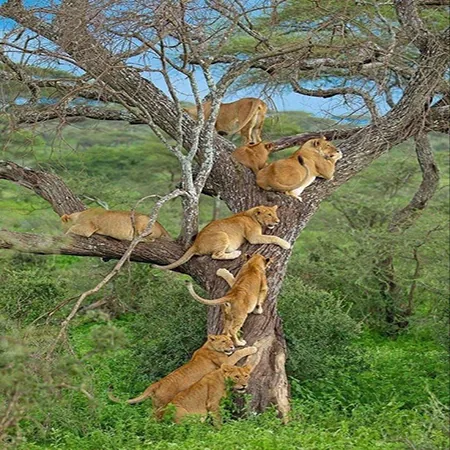
Tarangire is known for large elephant herds and baobabs, Lake Manyara for its groundwater forest, baboons, birdlife and occasional tree-climbing lions, Arusha National Park for colobus monkeys, giraffes and Mount Meru, and Ngorongoro Crater for its density of wildlife. Sightings vary, and no species can be guaranteed.
When Is the Best Time for a 1-Day Safari?
A 1-day safari works year-round. The main dry season (June–October) and the shorter dry spell in January–February usually give the easiest viewing, as grass is shorter and animals gather near water. The green season brings lush scenery and fewer vehicles, but tracks can be muddy and wildlife more spread out.
Is One Day Enough for a Safari?
One day is enough for a rewarding game drive in a single park, but not for a multi-park circuit. An early start and a guide who knows the park make the most of the time. If you can add a second day, an overnight gives you late-afternoon and early-morning drives, when animals are usually most active.
How Does a 1-Day Safari Work?
Early-morning pickup from your hotel → drive to the park → game drive with a picnic lunch at a designated site → return to your hotel in the evening. Park entrance fees, your guide, the 4x4 vehicle and lunch are included.
Why Not the Serengeti in One Day?
The Serengeti is too far from Arusha for a worthwhile day trip by road. Most of the day would be spent driving. If the Serengeti is your priority, choose a 2-day Serengeti safari or longer.