Where in Tanzania Should You Go on a First Safari?
For a first Tanzania safari, we recommend the northern circuit: Serengeti, Ngorongoro Crater, and one of Tarangire or Lake Manyara.
Serengeti is non-negotiable for most first-timers — it's the archetypal African savanna, home to the wildebeest migration, and the park most people imagine when they think of an African safari.
Ngorongoro Crater is a self-contained wildlife world with the highest concentration of large animals anywhere on earth. Even a single morning descent is transformative.
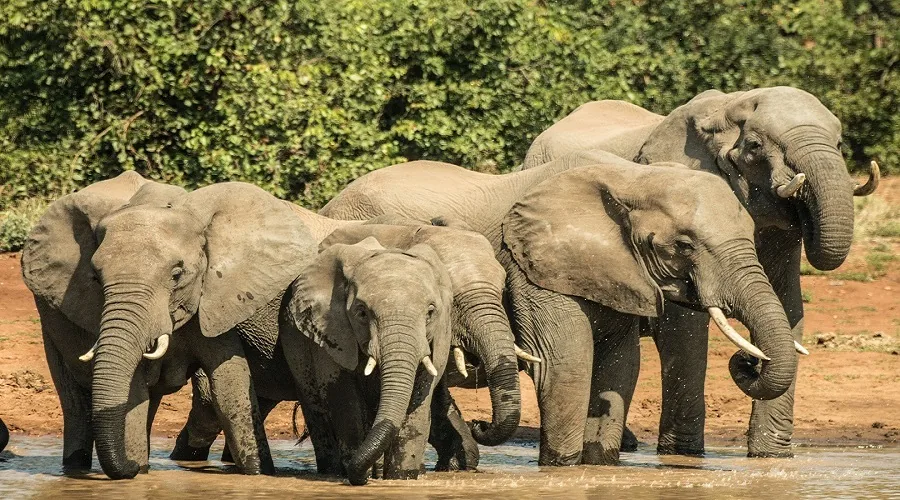
Tarangire or Lake Manyara as a third park adds variety — Tarangire for elephants and baobabs, Manyara for tree-climbing lions, flamingos, and forest primates.
The southern circuit (Selous, Ruaha) and western circuit (Katavi, Mahale) are extraordinary but more remote and expensive — better for repeat visitors with specific interests.
What to Actually Expect Each Day
A typical day on a northern Tanzania safari:
5:30am — Wake-up call with tea or coffee brought to your tent
6:00am — Early morning game drive (best wildlife activity of the day — predators are active, light is beautiful)
8:30am — Return to camp for a full breakfast
9:30am–12pm — Optional: continue driving or rest at camp. Most animals inactive midday
12pm — Lunch at camp
2:00pm — Optional afternoon rest
4:00pm — Afternoon game drive (second peak of wildlife activity as temperatures cool)
6:30pm — Return to camp for sundowner drinks and stories around the fire
7:30pm — Dinner
9:00pm — Sleep (it gets dark early and mornings are early)
The rhythm takes one day to adjust to and becomes deeply satisfying quickly.
Essential Things to Know Before You Arrive
Visas — Tanzania requires a visa for most nationalities. US, UK, EU, and Australian citizens can apply online in advance (e-Visa, recommended) or on arrival. Cost is typically $50 per person.
Vaccinations — Yellow fever vaccination is required if entering from a yellow fever country. Typhoid, hepatitis A, tetanus, and cholera vaccines are recommended. Consult a travel clinic 6–8 weeks before departure.
Malaria — Tanzania is a malaria zone. Anti-malarial medication is strongly recommended (consult a doctor — options include atovaquone-proguanil, doxycycline, or mefloquine). Use DEET insect repellent and sleep under a net.
Money — US Dollars are accepted in most tourist contexts. ATMs are available in Arusha and Moshi but unreliable in remote areas — bring cash. Credit cards work at most lodges and camps.