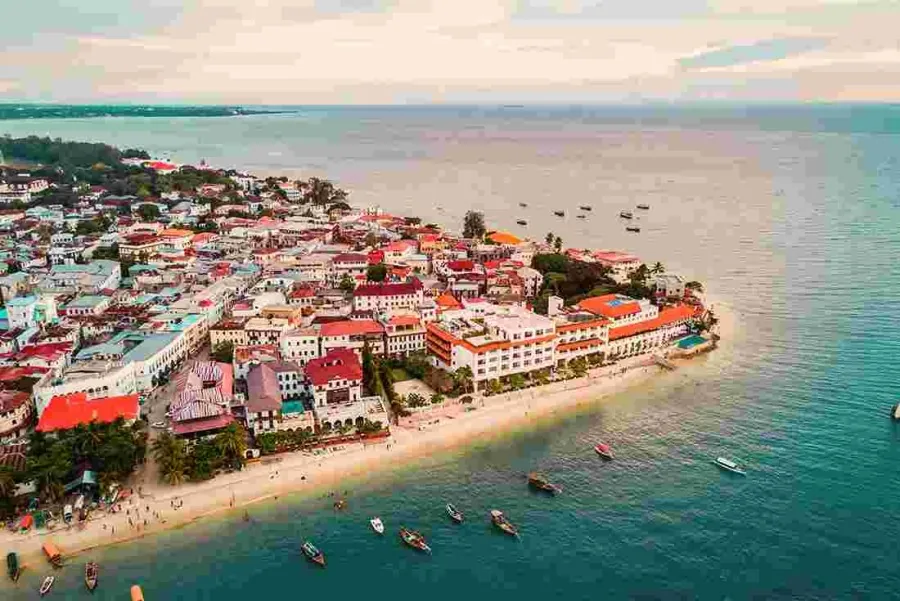
The History of Stone Town
Stone Town developed from the 17th century as a trading center under Omani Arab rule. By the 19th century it was the center of the Indian Ocean's spice and slave trade — at its peak, Zanzibar controlled most of the clove production for the world market and was a major transit point for enslaved people from mainland Africa.
British intervention ended the slave trade in 1873, and the last Sultan of Zanzibar was deposed in the 1964 revolution. The city was subsequently designated a UNESCO World Heritage Site in 2000 for its exceptional cultural fusion and architectural preservation.
What to See in Stone Town
The Carved Wooden Doors
Stone Town's most distinctive architectural feature — over 500 elaborately carved wooden doors dating from the 18th and 19th centuries. The carving styles reflect the builder's origin: Indian merchants preferred decorative patterns; Arab families favored calligraphic inscriptions; Swahili-style doors combine both. Many are original and functional.
The Anglican Cathedral and Old Slave Market
The most historically significant site in Stone Town. The cathedral was built in 1873 on the site of the last major slave market in East Africa — deliberately, to mark its closure. The altar stands where the whipping post stood. A cellar beneath the cathedral was used to hold enslaved people before sale. The memorial inside is sobering and important.
Forodhani Gardens Night Market
The evening market on the waterfront promenade is Stone Town's most accessible cultural experience. From sunset until late, vendors serve grilled seafood, Zanzibar pizza (a folded stuffed pancake), fresh sugarcane juice, and the famous Urojo soup. Prices are very low and the atmosphere is lively. Try the octopus — Zanzibar's grilled octopus is excellent.
Where to Eat in Stone Town
Stone Town's food scene is diverse and genuinely good:
Budget (under $5): Forodhani night market for seafood and snacks; Lukmaan Restaurant for Swahili biryani and curries; the Darajani market stalls for breakfast.
Mid-range ($10–25): The Taperia for seafood; Emerson's Spice for Swahili-cuisine tasting menu; The Ledge for rooftop dining.
Splurge: Emerson's on Hurumzi rooftop (reservation required) for the most atmospheric dining in Stone Town, with traditional music accompaniment.