What Makes Tarangire Different from Other Tanzania Parks
Tarangire National Park covers 2,850 square kilometers of semi-arid bush in northern Tanzania's Rift Valley region. What defines it is the Tarangire River — the only permanent water source in a wide area during the dry season.
From July through October, animals from surrounding areas pour into the park to access this water, creating an extraordinary concentration that the marketing typically attributes only to the Ngorongoro Crater.
Wildlife: The Elephant Capital of Northern Tanzania
Tarangire holds one of Africa's largest elephant populations, with estimates of 3,000-4,000 elephants present during the peak dry season. Unlike the Serengeti, where elephants are dispersed, Tarangire concentrates them around the river in groups of 50, 100, or even larger.
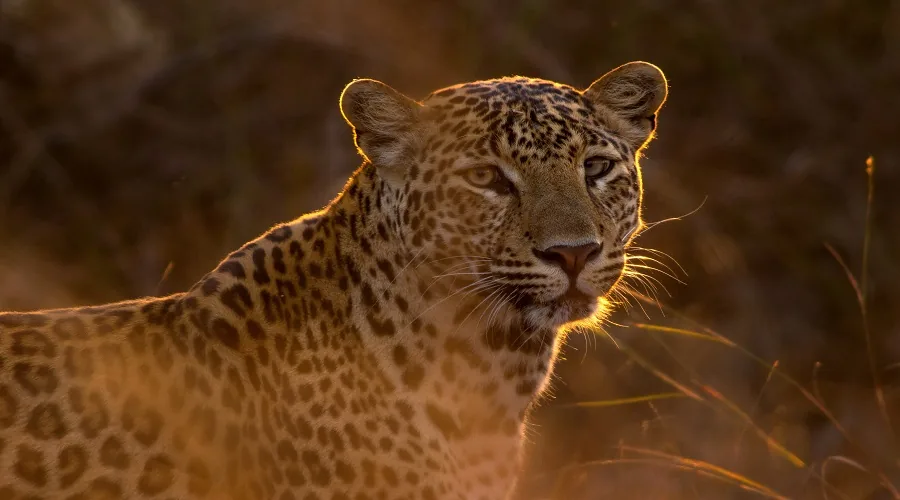
The park also holds substantial lion, leopard, cheetah, wild dog (one of Tanzania's best populations), zebra, wildebeest, giraffe, and oryx populations. Tree-climbing lions are occasionally spotted in the fever tree forests near Silale Swamp.
Bird life is exceptional — over 500 species, including dry-country specialists rarely seen in the Serengeti.
Tarangire vs Serengeti: Which Should You Visit?
Visit Tarangire when:
- Elephants are a priority
- You're visiting August–October (peak dry season)
- You're doing a multi-park itinerary and want variety in landscape and wildlife
- You want to avoid peak Serengeti crowds
Visit the Serengeti when:
- The wildebeest migration is your primary goal
- You have enough days to cover the Serengeti's scale properly
- You prefer open plains to woodland and river scenery
Include both when possible — they're genuinely different ecosystems and complement each other in a 5–6 day itinerary.