The Fundamental Difference
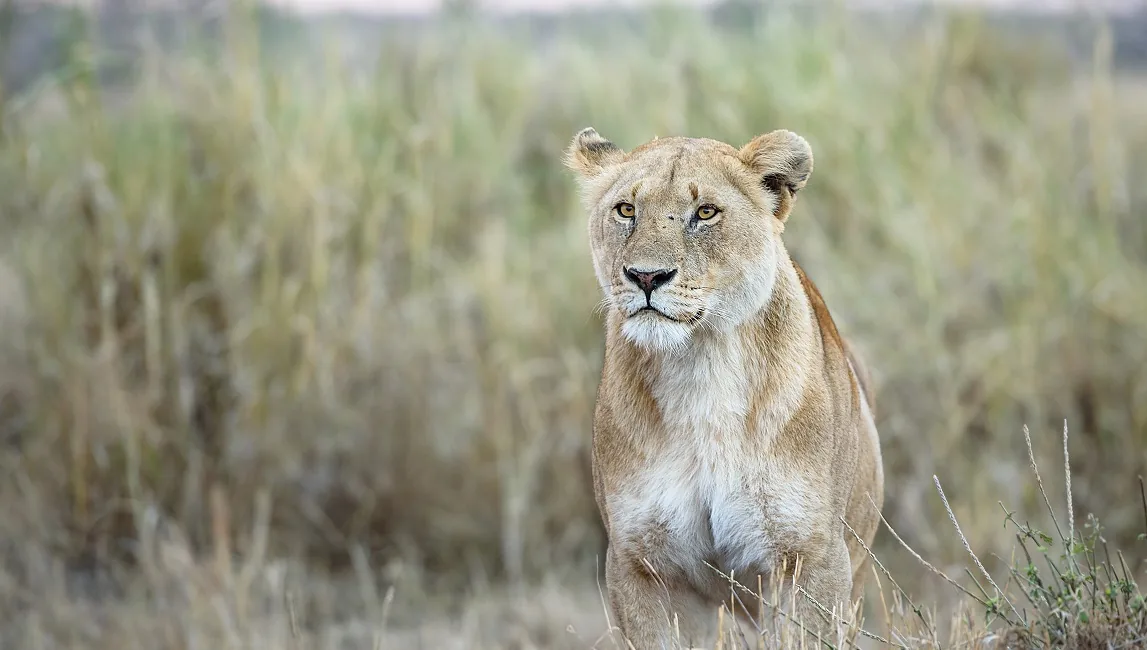
A Tanzania safari offers breadth — hundreds of species, enormous landscapes, unpredictable encounters across weeks of game drives. Mountain gorilla trekking offers depth — a single hour with a habituated gorilla family, intensely personal, unlike anything else in wildlife travel.
Neither is "better." They're different experiences that appeal to different aspects of why people travel for wildlife.
Cost Comparison
Mountain gorilla permits in Rwanda cost $1,500 per person per visit (2024 prices). In Uganda they're $700. This is a significant fixed cost before accommodation, guides, or transport.
A Tanzania safari's variable costs start much lower and scale with accommodation quality. Park fees run $50–80/day, but a budget camping safari is still possible for $150–200/day total.
For budget travelers, Tanzania is significantly more accessible. For travelers prioritizing a single transformative experience with a generous budget, gorilla trekking's costs may be worth it.
Which Is Right for You?
Choose a Tanzania safari if:
- Wildlife variety and quantity matters more than a single deep encounter
- You're interested in the full African ecosystem experience — predators, migrations, landscapes
- You have a moderate budget
- You want to combine with Kilimanjaro or Zanzibar
Choose gorilla trekking if:
- A single intense, personal encounter with a great ape is your primary goal
- The emotional and intellectual experience of observing gorilla behavior matters most
- Budget is not a primary constraint
Combine both if:
- You have 14–21 days and the budget
- A typical sequence: Tanzania safari (5–7 days) → Zanzibar (3–4 days) → fly to Uganda or Rwanda for gorillas (3–4 days)